
 farawaynowtravels.com
 Athens, the birthplace of Western civilization. Athens in the springtime is wonderful! My husband and I always try to hit tourist “hot spots “ in the shoulder seasons, and that strategy really paid off here. For good reason, this place is on many bucket lists. It was definitely on ours. Shoulder seasons in Greece are April and May, and again in September and October. Athens sees approximately 10 million visitors annually, so visiting in the low seasons was the way to go for us.

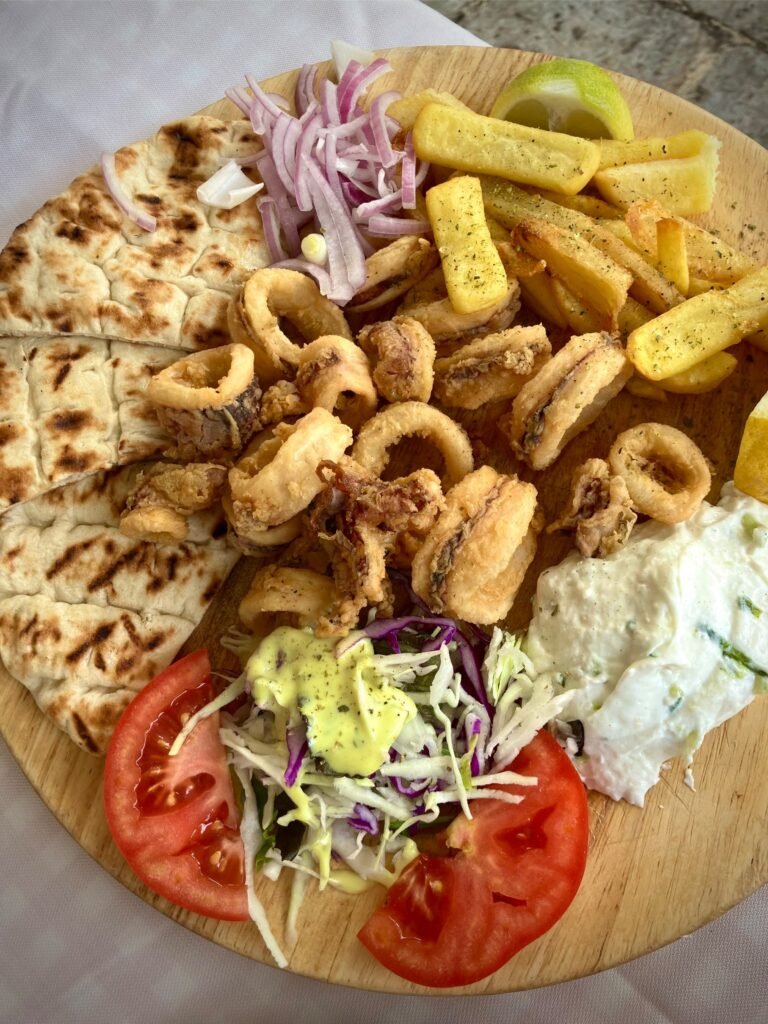
We arrived in the second week of April. Cool mornings, warm afternoons, pleasant evenings, and the trees and flowers were blooming profusely. School wasn’t out for the summer yet, so the crowds were very manageable. This makes for such a better experience. We didn’t have to wait in line for anything, restaurants were easy to get into, and the tourists that were there were dispersed enough that we were able to take our time in all the places we visited.
Located on mainland Greece, Athens is a bustling city of over 3,000,000 people. We stayed just outside the Plaka area, which is where most of the ancient sites are located. This allowed us to be in walking distance to just about everything we wanted to see. This section of the city is amazing as ancient landmarks are blended in with modern urban culture. I was amazed everyday to just be walking down the street, turn a corner, and be met with a piece of history that is hundreds or a thousand or more years old.
The Acropolis
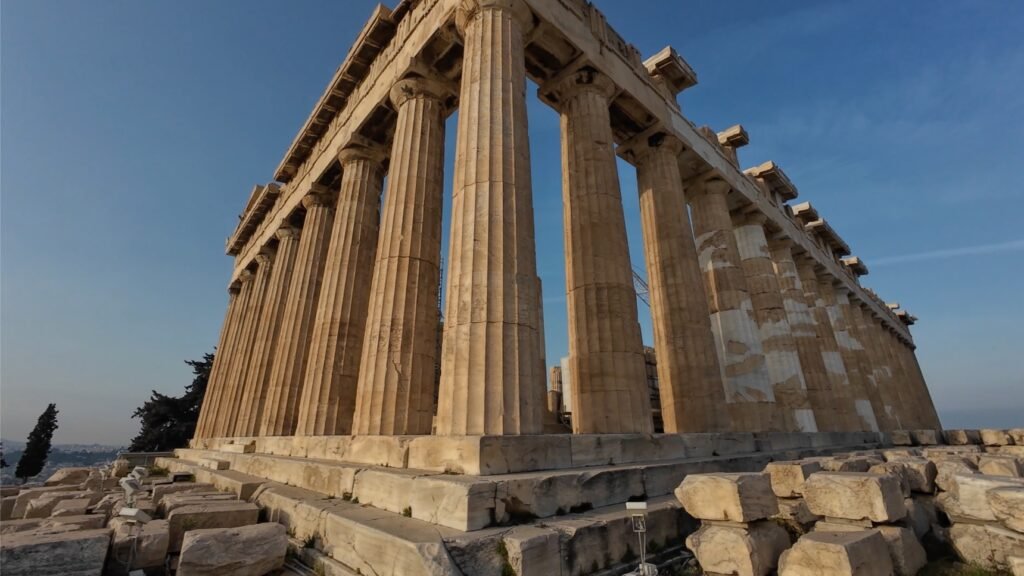
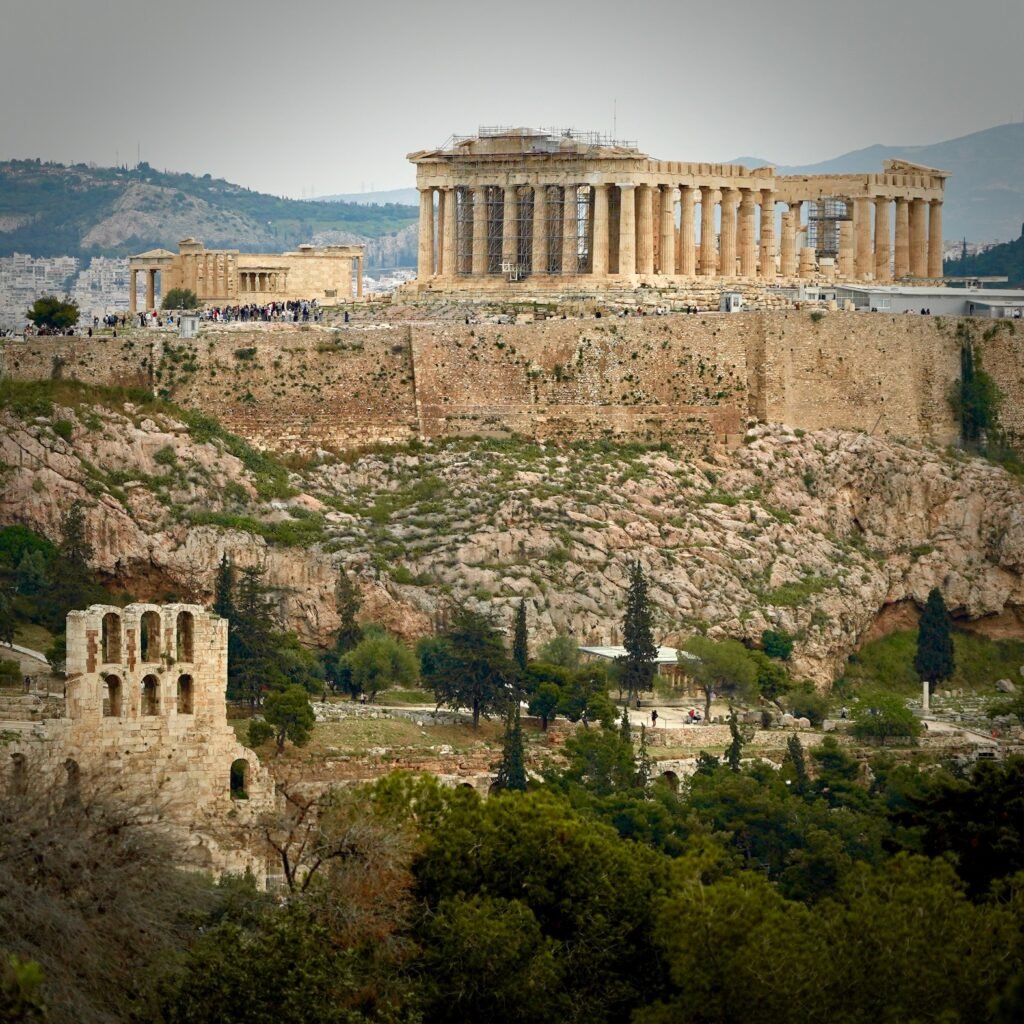
The Acropolis is the main attraction to see in Athens, and it dominates the skyline here. I did some research while planning our trip and found that it is highly recommended to visit the Acropolis Museum before you visit the Acropolis itself, so you will know what you’re looking at, and some of the history behind it.
I also discovered that you need to buy your tickets to the Acropolis well in advance of arriving in Greece. Don’t wait until you get there as they pretty much stay sold out several weeks in advance, even in the low seasons. The official online ticket platform is the Hellenic Heritage e-ticket system. Try to avoid third party sellers and be aware that there are no “skip the line” access tickets. All official tickets require you to pick a time slot, and you enter with that group. Tickets are 30 Euro per person.
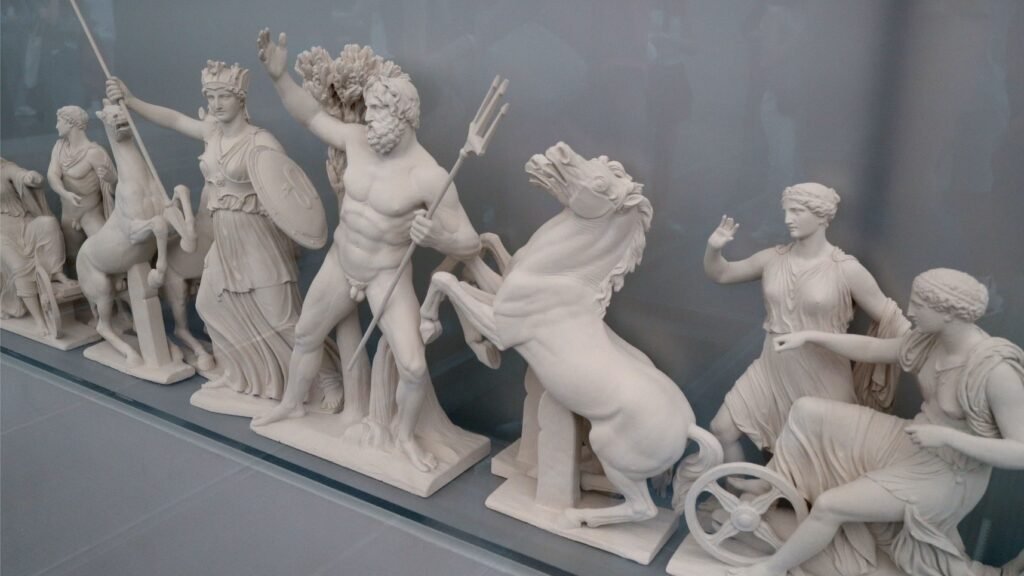
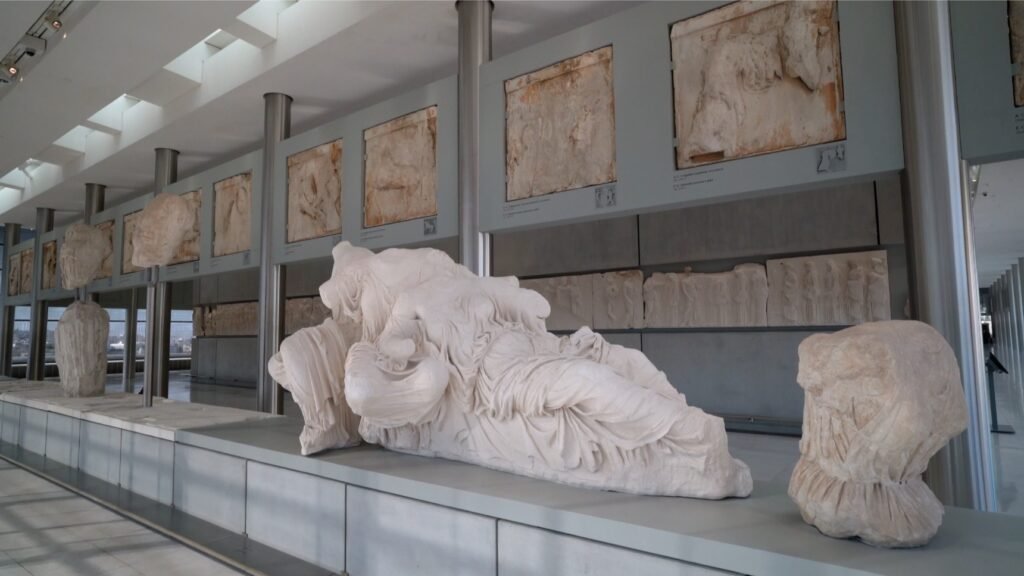
The Acropolis Museum is ranked as one of the most important museums in the world. It was built specifically to house only the artifacts that come from the Athenian Acropolis and its slopes. The museum itself is built over an archeological site and a glass floor allows you to view it. This is one of the most impressive museums I have ever been to. It showcases items from the Greek Bronze Age, through Roman and early Christian times, and the Greek Byzantine period. Whether you’re a history buff like me, or not, this place will mesmerize you.
Give yourself at least two hours here, we were there for three. You have the option of using an audio guide or a live guide, which I highly recommend. The museum is huge and we never felt crowded or rushed to move along. Make sure you don’t miss walking through the excavation site that is underneath the museum, plus, there is another room of the museum down there filled with some very impressive sculptures and busts. The level of artistry and skill some of these sculptors and jewelry makers had is nothing less than amazing. Tickets for the museum are 20 Euro per person.
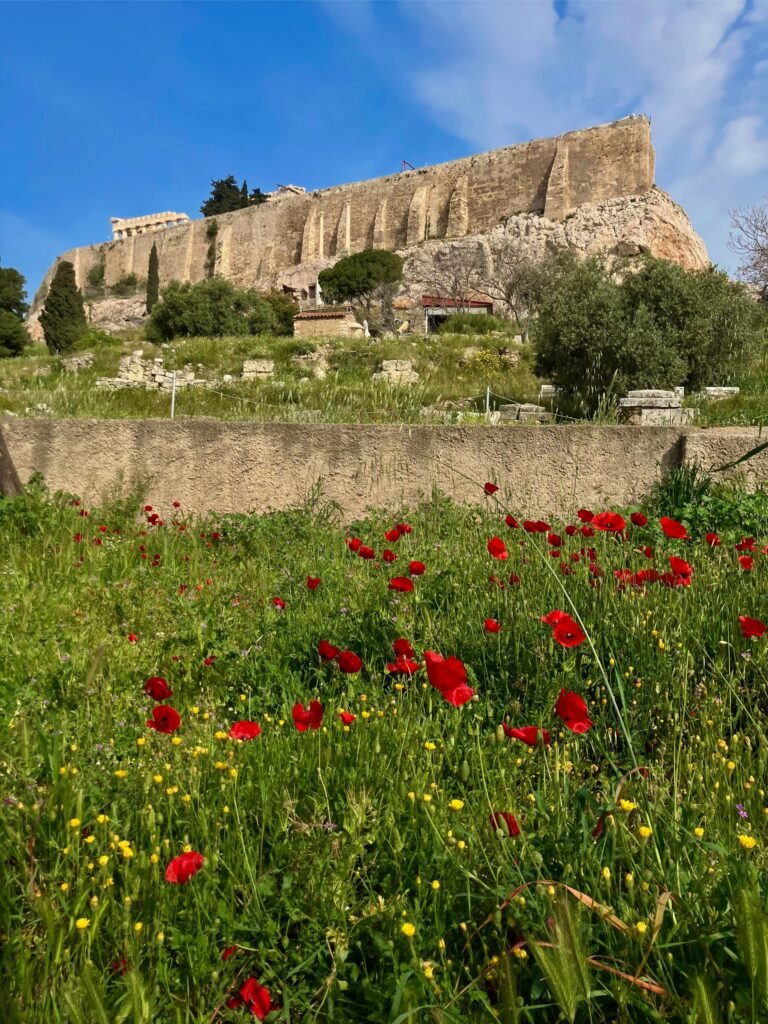
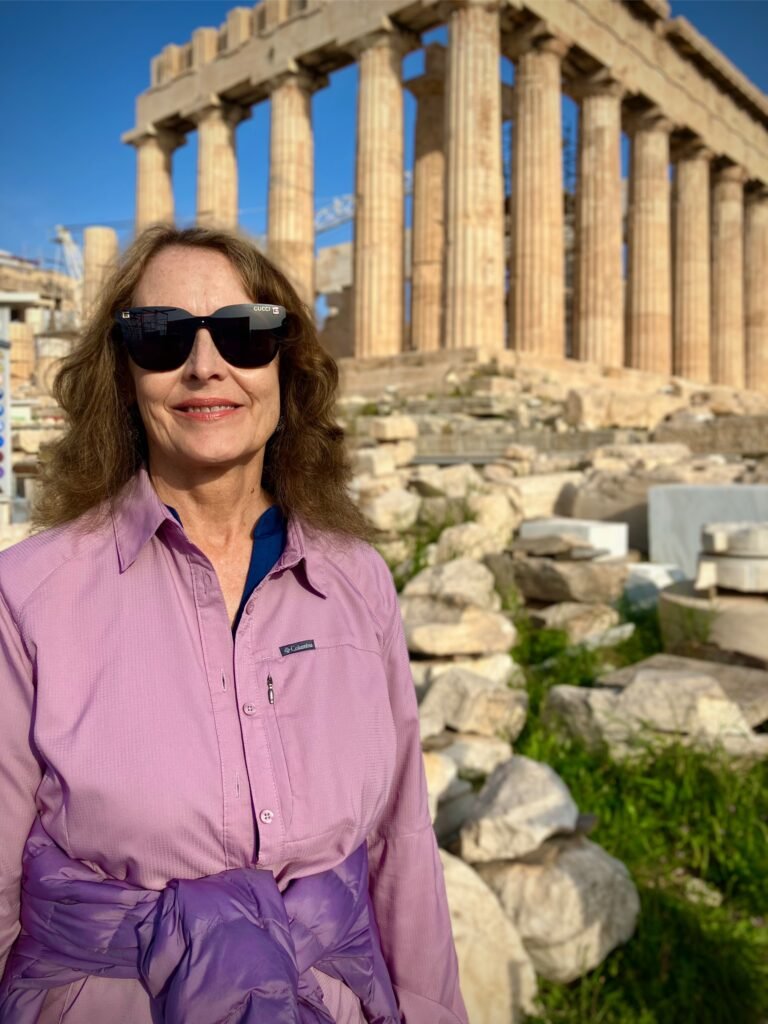
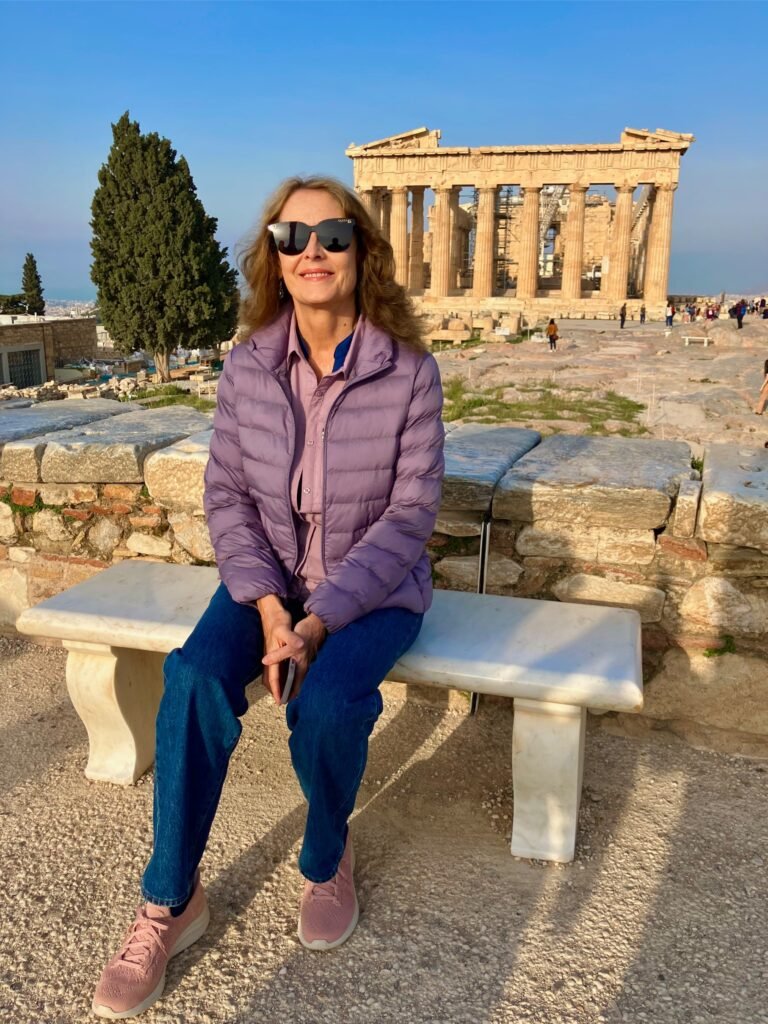
I was so excited as we waited in line to enter the Acropolis. Groups of 150 are allowed in every hour. I chose the 8:00 am entry time when purchasing our tickets online. This is the first group entering for the day. With no other groups entering ahead of us, we were able to really get a feel for this ancient place, and it did feel almost magical. It also allowed us to take photos without the crowds. There are two entrances to the ancient city and I suggest using the main entrance as it gives you the classic views of the Acropolis upon entering.
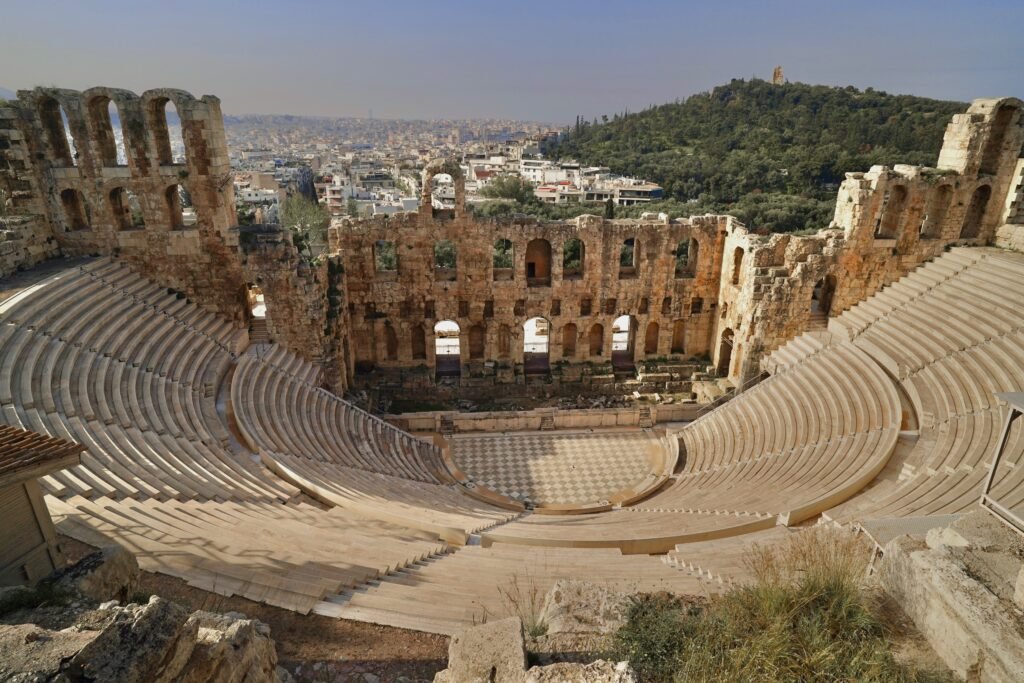
The main attraction on the hill is the Parthenon. Built in the 5th century BCE, the sheer scale and beauty of it is awe inspiring. Pictures cannot convey how outstanding it is. Other sites in the Acropolis include the Erictheon, a temple dedicated to Athena and Poseidon. It is known for its porch of six caryatids, sculptures of draped female figures that support the porch. All of the ancient structures on top of the hill are magnificent, but don’t forget to stop and take in the stunning views of Athens all the way out to the sea while you’re up there. On the South slope you can visit the Theatre of Dionysius and the Odeon of Herodes Atticus. Amazingly, events are still held in the Odeon. In addition to the theatres, the South slope is covered with many monuments and temples. The architectural design and the stone work found on these ancient edifices never ceases to amaze me. They rival anything that is built today and they still hold an awe inspiring energy.
The Panathenaic Stadium
The next stop on our list was also very phenomenal. The original Olympic stadium, the Panathenaic Stadium. It was originally built in 330 BCE by Lycurgus, for the ancient Panathenaic Games. It was rebuilt in 144 CE by Senator Herodes Atticus using Pentelic marble. It is the only all marble stadium in the world and the reason it is still standing, and used, today.
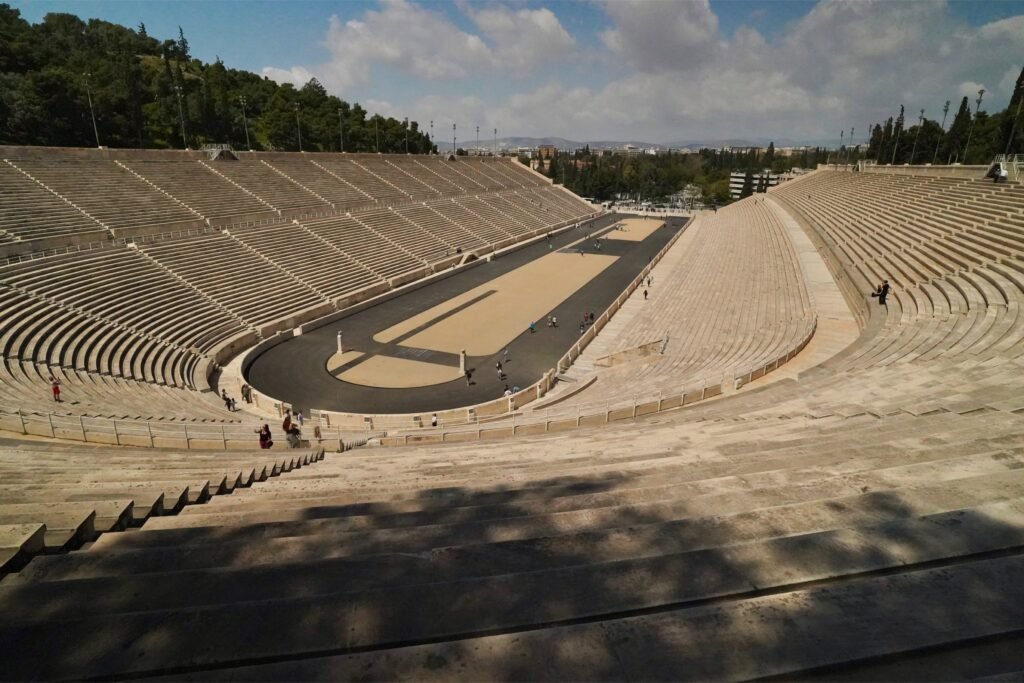
The first modern Olympic Games were held here in 1896. There is also a fascinating museum inside where you can see all of the Olympic torches used over the past 130 years. Each fashioned by an artist from the host nation, and some are very elaborate. Also on display are each host nation’s posters advertising the games. I especially liked the poster from the 1936 Olympics held in Germany in which Jesse Owens was a hero. He won four gold medals, disproving Hitler’s theories of Aryan racial superiority.
Holding 80,000 spectators, it was truly awesome to climb to the top of the stands and look out over the stadium. I couldn’t help but wonder about all the Olympians that had ran around that track, and the spectators that came to watch those ancient Olympic Games. Just sitting in those stands gave me a feeling of excitement and anticipation, as if an Olympic event was about to start and athletes were about to emerge from the tunnels. It also highlighted how similar we all still are, no matter how many centuries separate us.

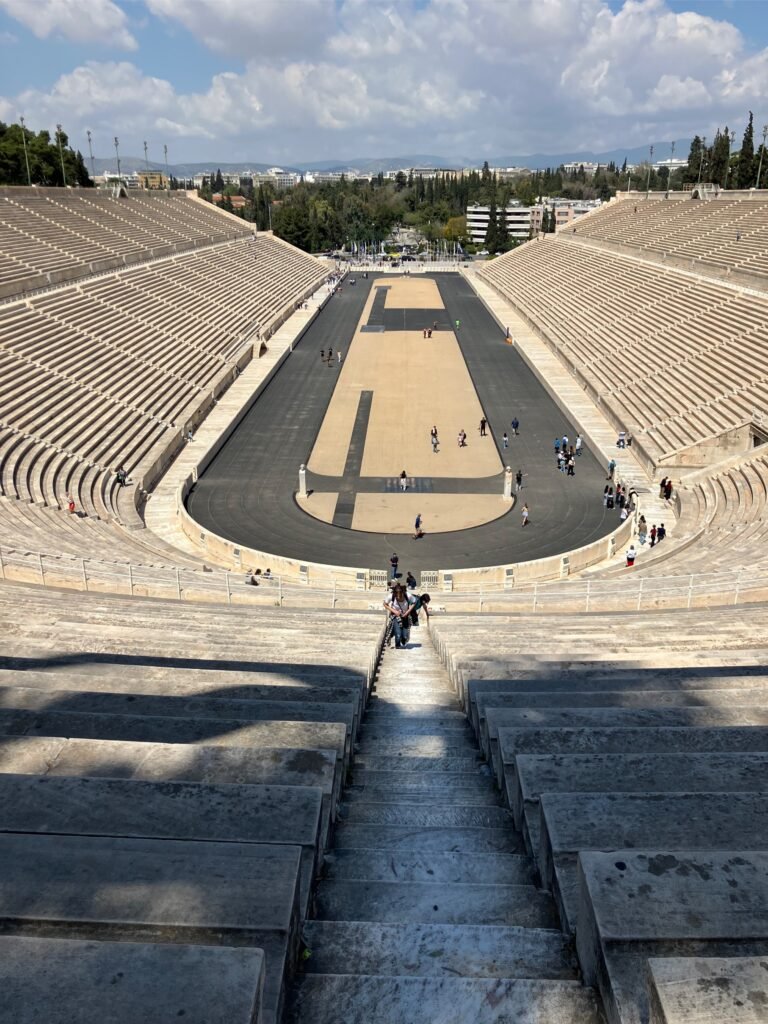
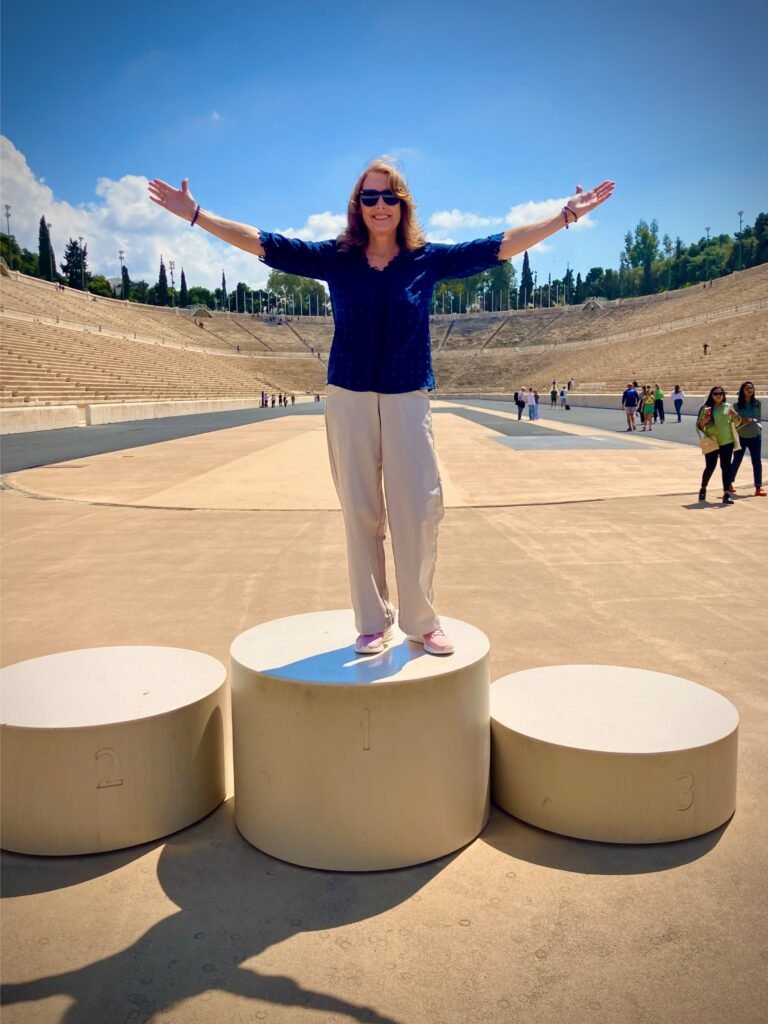
You are allowed to run, or walk, around the track and even stand on the podium. Sporting events are still held here. The last Olympic Games held here were in 2004 and Special Olympics in 2011. It was 20 Euro per person to enter and that does include the museum.
The National Botanical Gardens is right next to the stadium and we walked through them after leaving the Olympic arena. It is a huge park with many different sections. Shaded with beautiful trees, and the bushes and flower gardens were all in bloom. It featured many sculptures, fountains, and even a turtle pond. It was a great place to sit and relax for a while, and it’s completely free.
Anafiotika Neighborhood
Another popular site is the Anafiotika neighborhood. This neighborhood is unlike any other neighborhood in all of Athens. It sits tucked between the Plaka neighborhood where I’m staying, and Acropolis Hill. It was built in the 1830s by construction workers that were brought here, under the King’s orders, from the island of Anafi.
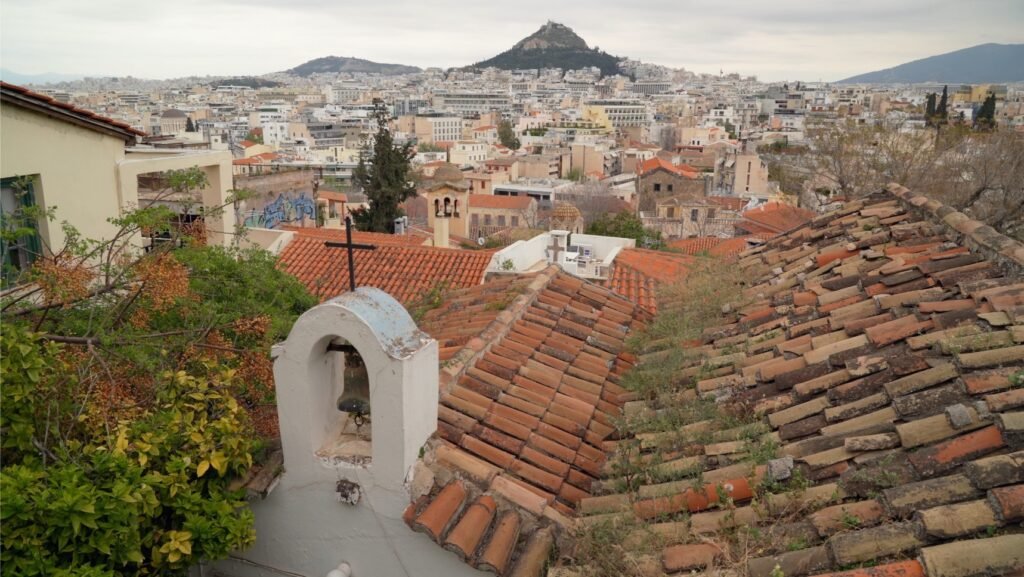
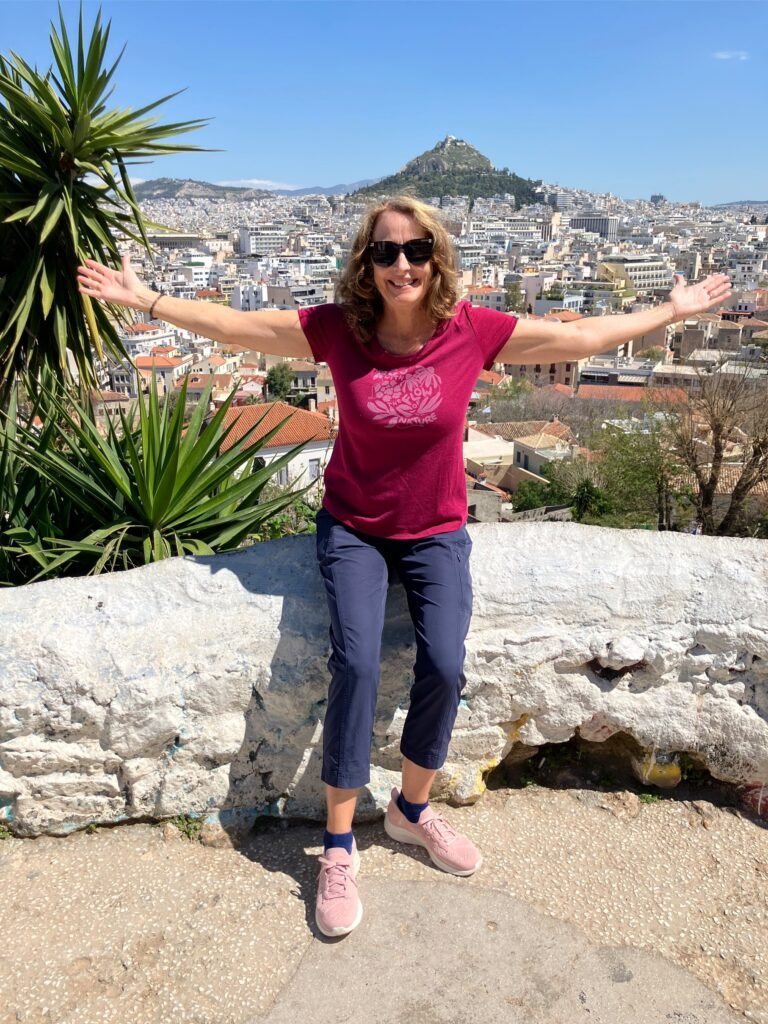
The workers purposely built their neighborhood to feel like the homes they had to leave behind on the island. It is a very scenic area with great photo opportunities. The views of Athens from the top are spectacular. This neighborhood is pedestrian only as it is made up of very narrow pathways and many, many stairs.
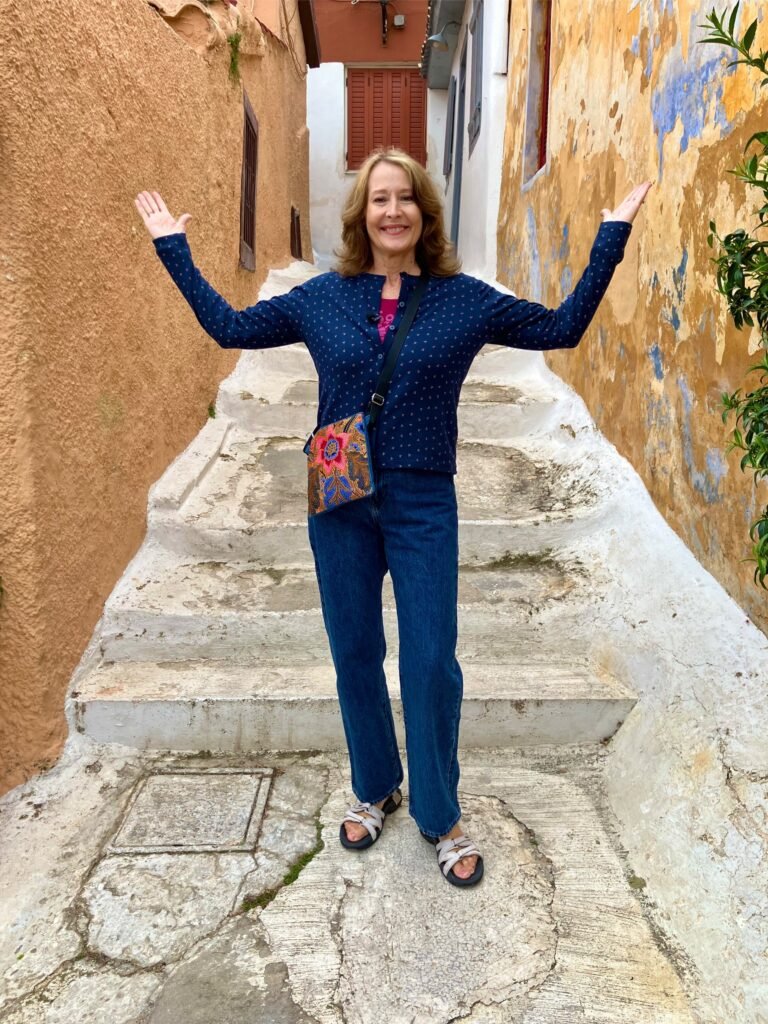
There is no entrance fee here, just be aware that this is a living neighborhood and these are all occupied, private homes, so be respectful if you go.
Changing of the Guard
Next, we attended the changing of the Guard at the Hellenic Parliament located in Syntagma Square, right in front of the Tomb of the Unknown Soldier. I had never seen anything like this and I thought it was fascinating.
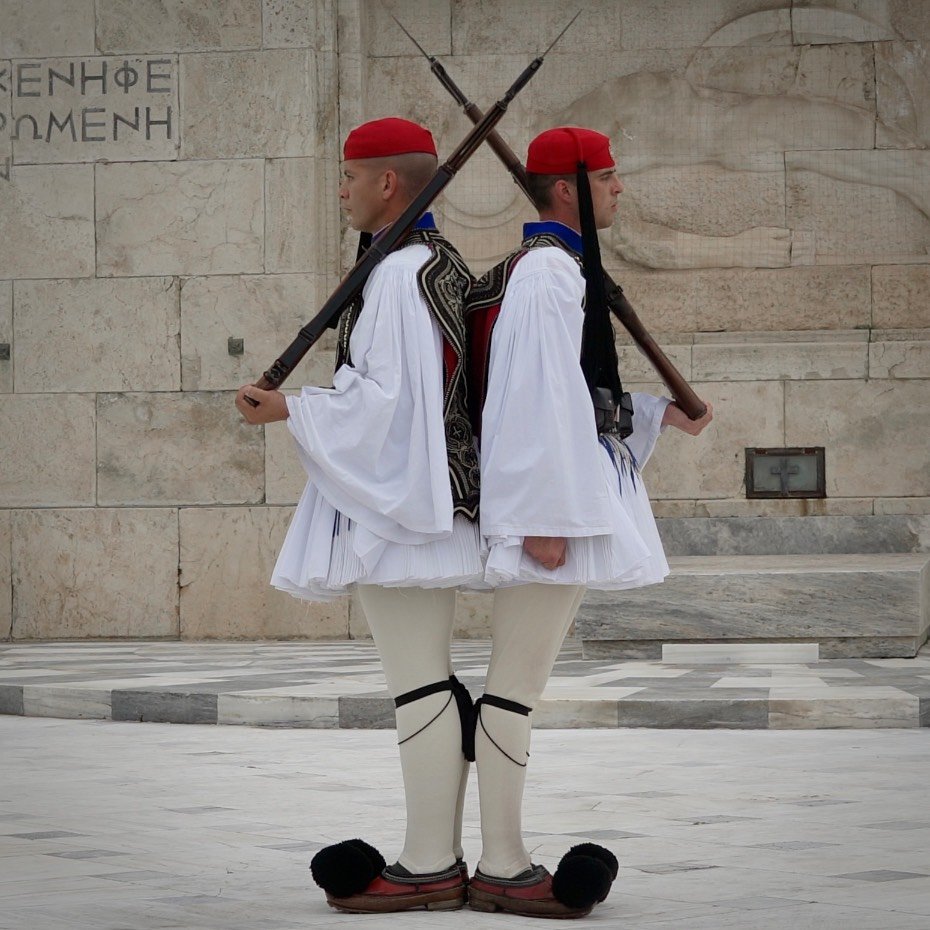
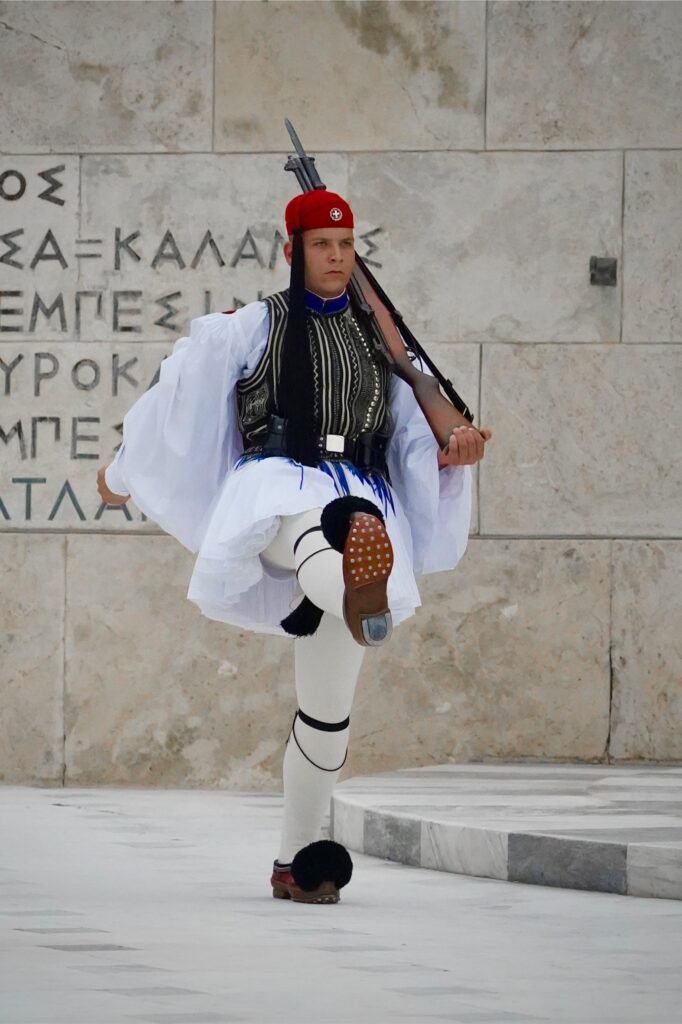
The Presidential Guard, also known as the Evzones, changes every hour, on the hour, around the clock. It lasted about 25 minutes. There is a grand ceremony on Sundays at 11:00 am. We attended one on a weekday and found it to be very intricate and quite a display. This is free for the public to attend. Be sure to arrive early so you can get a good viewing spot.
The Ancient Agora
Our next stop was the Ancient Agora. This place was massive, it felt like a park. A cat park actually, there were so many cats here. They were all friendly and cared for. We saw food and water bowls all over the area.
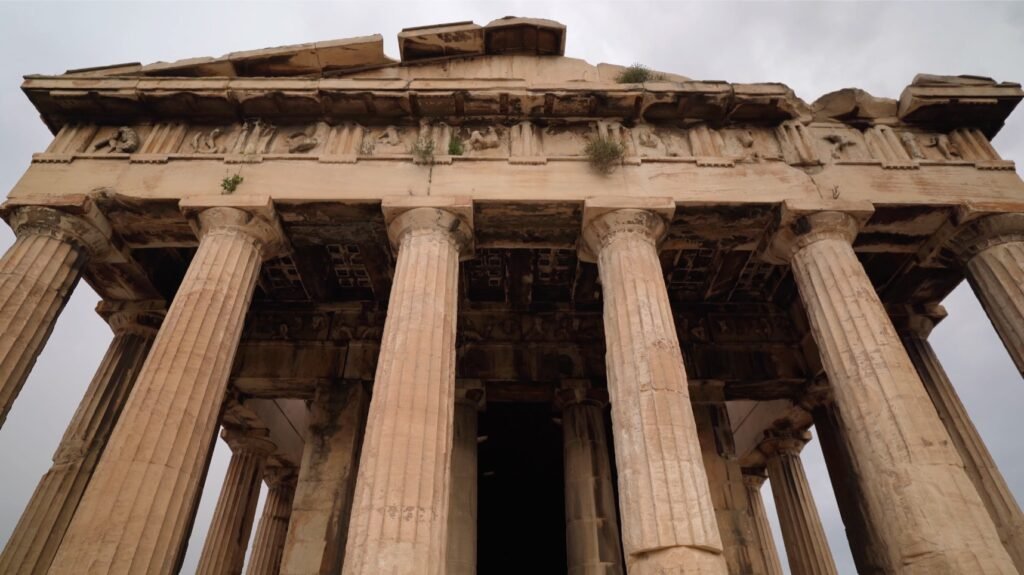
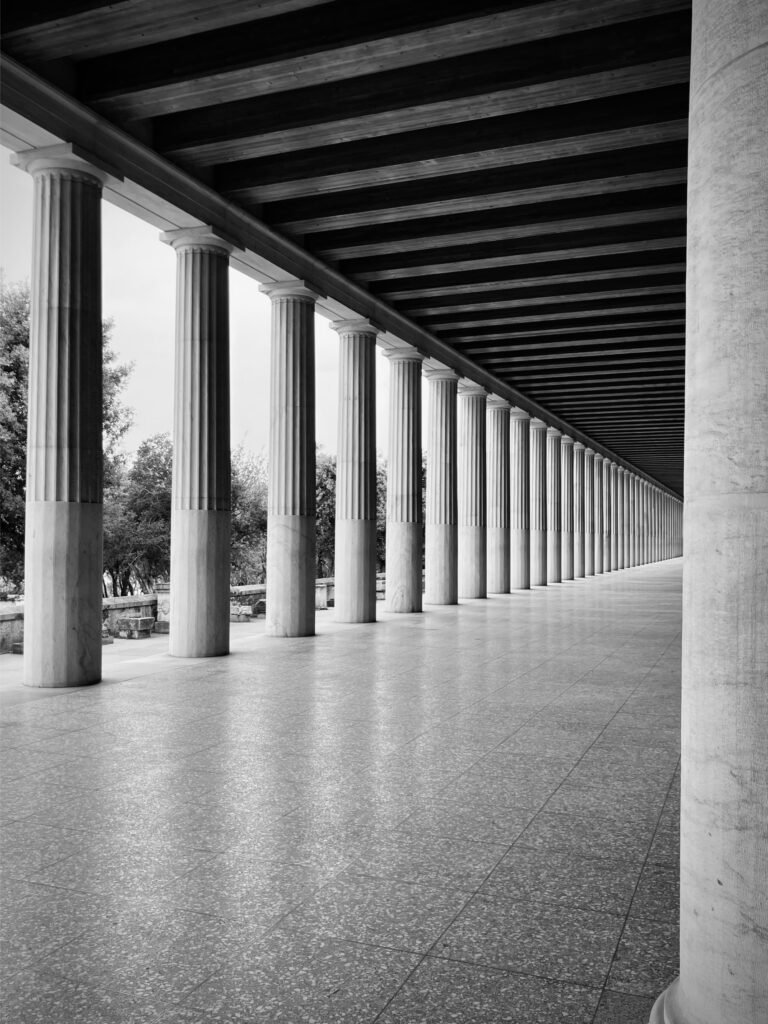
There is an incredible amount to see here. This was part of the ancient city and has remnants of many buildings, the jail, the hospital, private homes and more. The huge Temple of Hephaestus is very well preserved and the main attraction in the Agora.
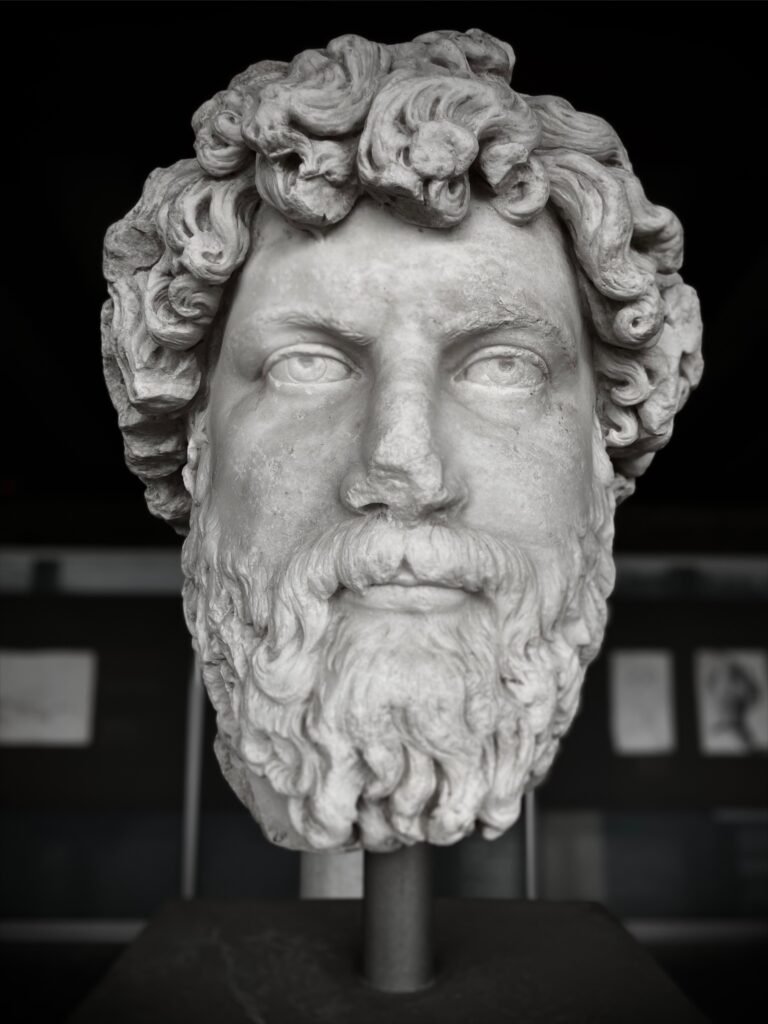
A very impressive museum has been built where the original marketplace once stood and it contains so many ancient relics. Some over 5,000 years old. Sculptures, pottery, burial urns, jewelry, weapons, even an ancient baby’s potty chair! I found it truly remarkable. Again, I was stunned by the level of workmanship that was in existence during these different time periods. Admission here was 20 Euros and that includes the museum.
Philopappos Hill
We also visited Philopappos Hill. On our way there we passed the prison where Socrates was held. He was sentenced to death and made to drink poison Hemlock in 399 BCE. That is mind boggling to me. This cave was also used to hide some of the nation’s national treasures from the Nazis during WWII. It was an easy walk up the hill to the monument of Prince Philopappos who died in 166 CE. His mausoleum is here as well, but it was broken into by grave robbers hundreds of years ago. Also the views at the top were amazing, I could see all of Athens and even all the way out to the sea.
There are many walking trails and benches on the hill so we hung out for awhile up here taking in the views and appreciating everything we were able to see during our time here. We pretty much stuck to the Plaka neighborhood as everything we wanted to see was in walking distance for us. Even Syntagma Square. We discovered a local bakery for Spanakopita and other tasty treats, quaint coffee shops, and lots of great food, both in the tourist area and back in the neighborhood. Athens turned out to be much more affordable than we had originally thought. As with every place we visit, this ancient city definitely has its own vibe, and it was one I fell into very quickly. I absolutely savored my time here. Athens truly is a bucket list destination that I am so grateful we were able to visit.
Our Athens Greece Video Guide!